

When we look at big fish tanks, one of the first benefits is stability. A larger volume of water dilutes waste, making it easier to maintain safe water conditions. This means fish experience fewer sudden changes in temperature or chemistry compared to a small tank.
A big aquarium also gives us more options. Whether it’s a freshwater community or a reef setup, the extra space allows for a wider range of species and aquascaping. Many of us enjoy the flexibility to add plants, rocks, or corals without overcrowding.
Space and weight are important to consider. A large fish tank with filter and stand can weigh several hundred kilograms once filled. We need a solid, level surface to support it. For reference:
| Tank Size | Approx. Weight Filled |
|---|---|
| 100 L | ~120 kg |
| 200 L | ~240 kg |
| 400 L | ~480 kg |
Filtration is another factor. A large fish tank with stand usually pairs with a stronger filter system. More water means more waste to process, so we need equipment that can handle higher flow and capacity.
We often see big fish tanks for sale, including huge fish tanks with stands or even a massive aquarium for sale. These setups can be more expensive at first, but they often require less frequent intervention than small tanks.
FAQs
Do bigger tanks need less cleaning?
They still need regular cleaning, but the larger water volume keeps conditions stable for longer, so maintenance is less urgent.
How heavy is a big fish tank?
A huge fish tank can easily weigh several hundred kilograms once filled with water, substrate, and decor. Always plan for the weight before setting one up.
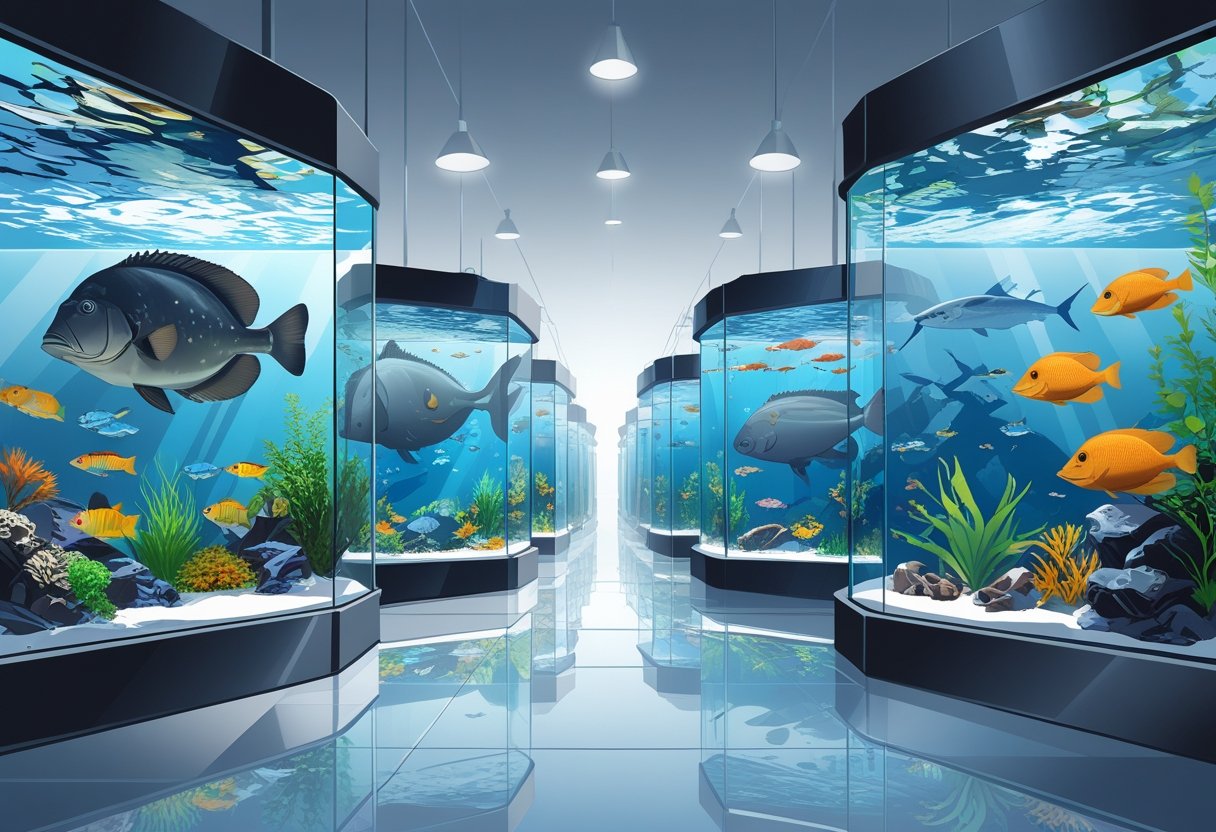
When we look at huge fish tanks or even a massive aquarium for sale, the first thing to consider is size and space. A 200-gallon tank can already weigh over 1,000 pounds once filled, while tanks above 500 gallons may require reinforced flooring and careful planning.
Weight is not just about the water. Substrate, rocks, and decorations add hundreds of extra kilograms. This is why a large fish tank with stand or big fish tanks with stand must be strong enough to hold the full load safely.
Filtration capacity grows with tank size. A large fish tank with filter needs to move and clean thousands of litres of water each hour. For very huge fish tanks for sale, sump systems or multiple filters are often required to keep water quality stable.
Water care also changes. Larger volumes are more stable, but they still need regular testing, water changes, and proper circulation. While bigger tanks may not get dirty as quickly, they still demand consistent upkeep.
Quick Size Guide
| Tank Size | Approx. Weight (Full) | Key Consideration |
|---|---|---|
| 200 Gallon | 450+ kg | Needs strong stand and floor support |
| 300 Gallon | 700+ kg | Often custom-built; larger filters |
| 500 Gallon | 1,200+ kg | Complex plumbing and reinforcement |
FAQs
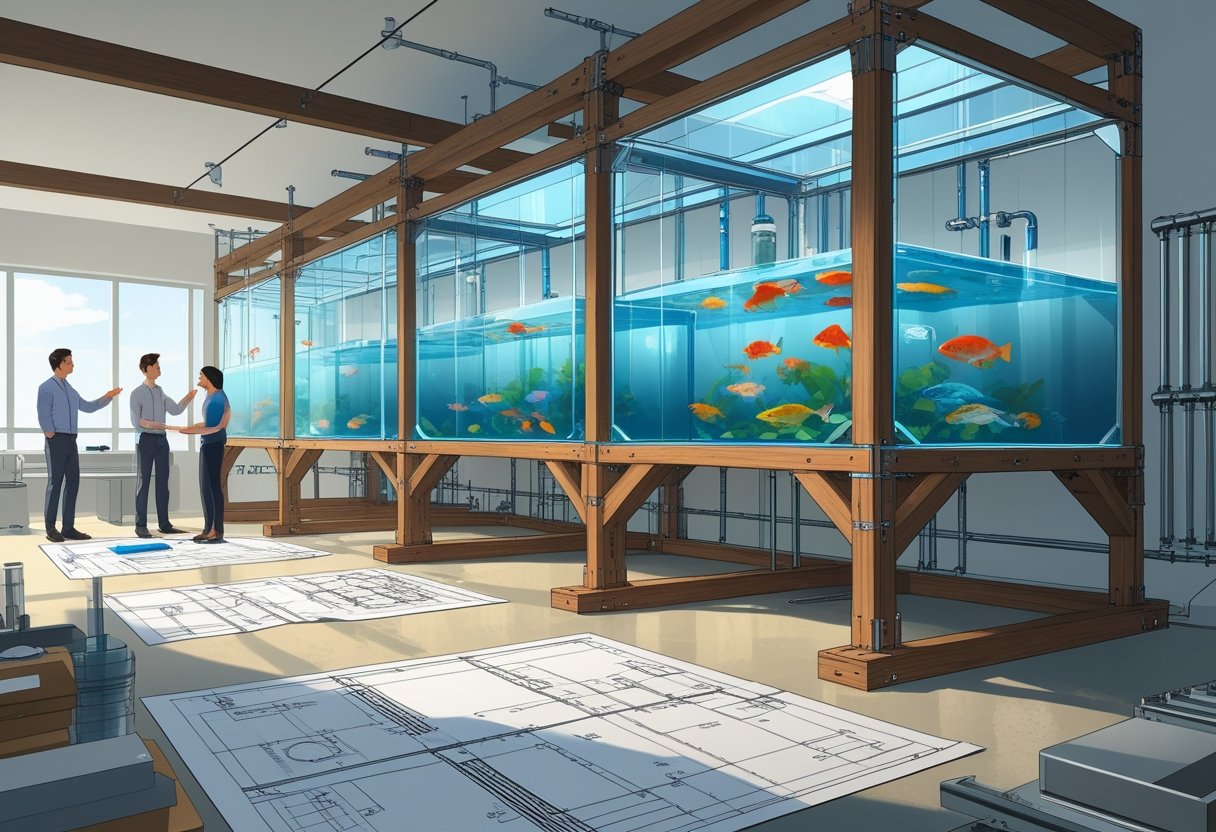
When we look at big fish tanks for sale or even a massive aquarium for sale, we need to think beyond the size of the glass. A large tank filled with water, gravel, and equipment can weigh hundreds of kilograms. Floors and stands must support that load safely.
Most residential floors are designed for about 40 kg per square foot. A huge fish tank can easily exceed this if not placed carefully. Concrete floors usually handle more weight than timber floors, but we should still check joist spacing and condition.
A sturdy base is essential. Many large fish tanks with stands are built to spread weight evenly, reducing pressure on the floor. Choosing a large fish tank with filter and stand together helps ensure stability and proper support.
Filtration also grows more important as tanks get bigger. More water means more waste to process. A larger filter provides better circulation and keeps water quality stable. This reduces the risk of cloudy water or stress on fish.
Quick Reference Table
| Tank Size | Approx. Full Weight | Notes |
|---|---|---|
| 50 gallons | ~220 kg | Manageable on most floors with strong stand |
| 100 gallons | ~420 kg | Needs solid support, best on concrete |
| 150+ gallons | 600 kg+ | Often requires structural check |
FAQs
When we set up big fish tanks, the filtration system becomes one of the most important pieces of equipment. A filter must process several times the tank’s total water volume each hour. For example, a 500-litre tank should have a filter that can turn over at least 2000–3000 litres per hour.
Large aquariums benefit from using multiple filtration types:
A large fish tank with filter and pump also needs proper placement to avoid dead spots where water does not circulate well.
Weight and space are major considerations. A large fish tank with stand or large fish tanks with stands must rest on a level, reinforced surface. Water weighs about 1 kilogram per litre, so a 1000-litre massive aquarium for sale will weigh over a tonne once filled, not including the glass or stand.
We also need to plan for equipment like heaters, air pumps, and lighting. A big fish tank for sale or a huge fish tank with stand often comes with built-in features, but we should always check capacity against the size of the system.
FAQs
Do bigger tanks need less cleaning?
They usually stay more stable because of higher water volume, but regular maintenance is still required.
How heavy is a big fish tank?
A huge fish tank for sale can weigh hundreds of kilograms empty and several tonnes when filled with water, substrate, and décor.
When we look at huge fish tanks or even a massive aquarium for sale, one of the first issues is weight. A large tank filled with water, substrate, and decorations can weigh several hundred kilograms. This means we need a stable floor and often a large fish tank with stand designed to handle the load.
Space is another challenge. Big fish tanks with stand require placement in areas that are level, away from direct sunlight, and clear of heavy foot traffic. Once filled, moving them is nearly impossible without draining, so planning ahead is essential.
Filtration capacity must also match the size. A large fish tank with filter needs oversized or multiple filters to handle waste. Without strong water circulation, toxins build up quickly. Even with good systems, we still need regular water testing to keep conditions stable.
Water care in large fish tanks with stands takes time and effort. Changing 10–20% of the water weekly in a 400-litre tank is very different from a small setup. We also need to consider heating, lighting, and power use, which increase with tank size.
FAQs